June 15, 2026
The kitchen is one of the most frequently used spaces in any home. It serves as a place for cooking, gathering, entertaining, and daily routines. Because of its importance, every detail of a kitchen renovation deserves careful planning. Cabinets play a major role in both the appearance and functionality of the space, making thoughtful design an important part of the remodeling process. Working with a professional kitchen cabinet designer can help create a kitchen that fits the needs of the household while making the best use of available space. From layout planning to material selection, professional guidance can make the entire process more organized and efficient. This article explores the benefits of working with a kitchen cabinet designer and how professional design support can contribute to a successful kitchen project.
Coordinating Material and Finish Choices
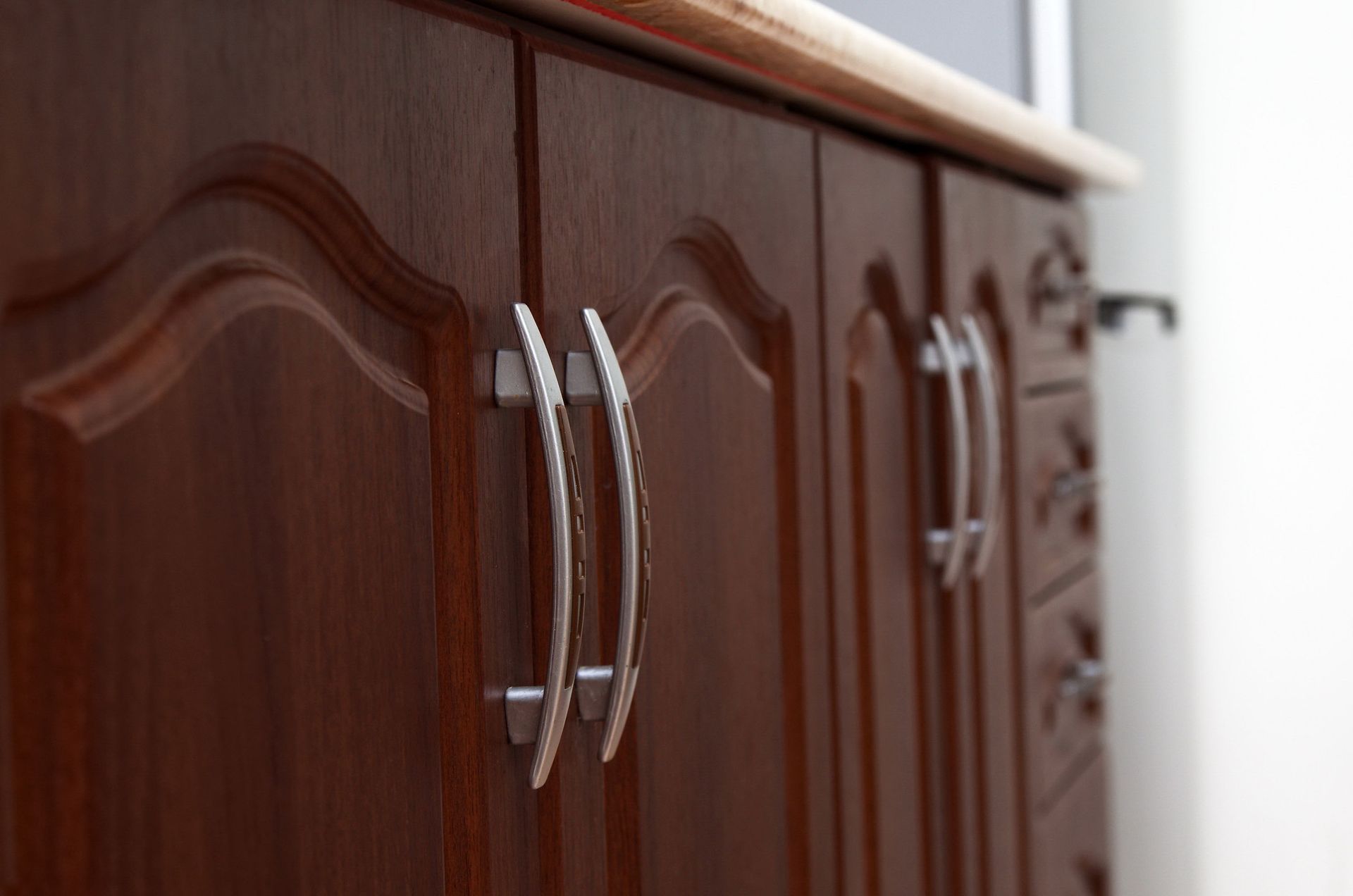
Material and finish selection plays a major role in how a kitchen looks, feels, and performs over time. Cabinet surfaces are exposed to frequent use, temperature changes, and moisture, so choosing appropriate options requires careful consideration. A kitchen cabinet designer helps evaluate these factors while aligning selections with the overall design direction of the space. Different finishes can significantly change the character of a kitchen. Lighter tones can create a more open and airy feel, while deeper shades often bring warmth and contrast. Texture also contributes to the final result, influencing how light interacts with surfaces and how the space feels visually.
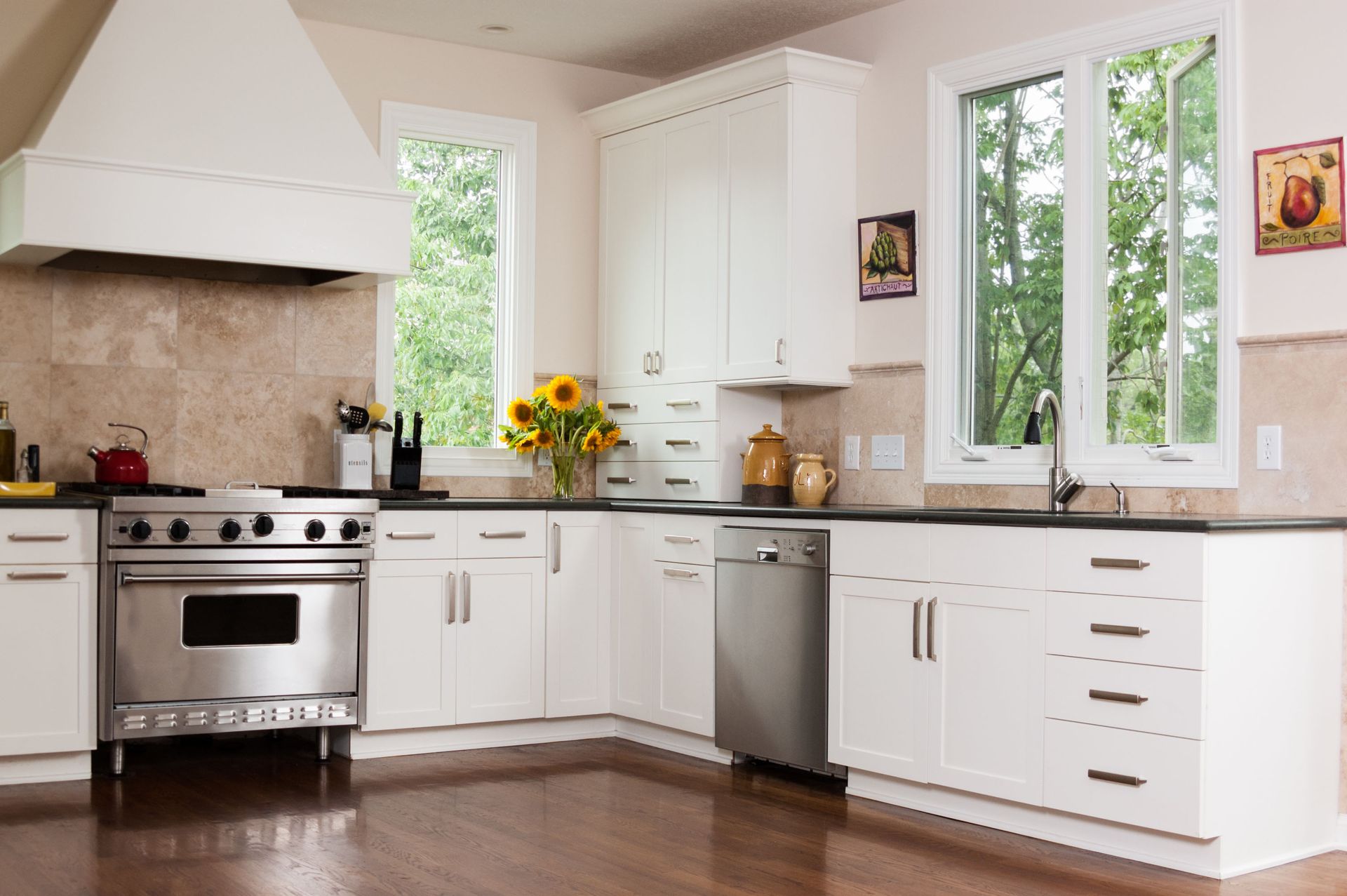
A kitchen cabinet designer also considers how materials work together across the kitchen. Cabinets must coordinate with countertops, flooring, and wall paint to create a unified look. When these elements are planned together, the kitchen appears more balanced and intentional rather than pieced together over time. Durability is another important factor in material selection. Some finishes hold up better under frequent use, while others may require more maintenance. Professional guidance helps align material choices with both aesthetic preferences and long-term performance expectations, creating a kitchen that remains functional and visually consistent over time.
Creating a More Functional Layout
One of the primary benefits of working with a kitchen cabinet designer is developing a layout that supports everyday activities. Cabinet placement affects how easily people can move throughout the kitchen and access frequently used items. A kitchen cabinet designer evaluates the size and shape of the room while considering storage needs, appliance placement, and traffic flow. This planning helps create a layout that feels comfortable and practical. When cabinets are arranged thoughtfully, the kitchen becomes easier to use. Common tasks can be completed more efficiently, and storage areas are positioned where they are most useful. Professional planning can also help avoid design issues that may become apparent only after installation.
Maximizing Available Storage
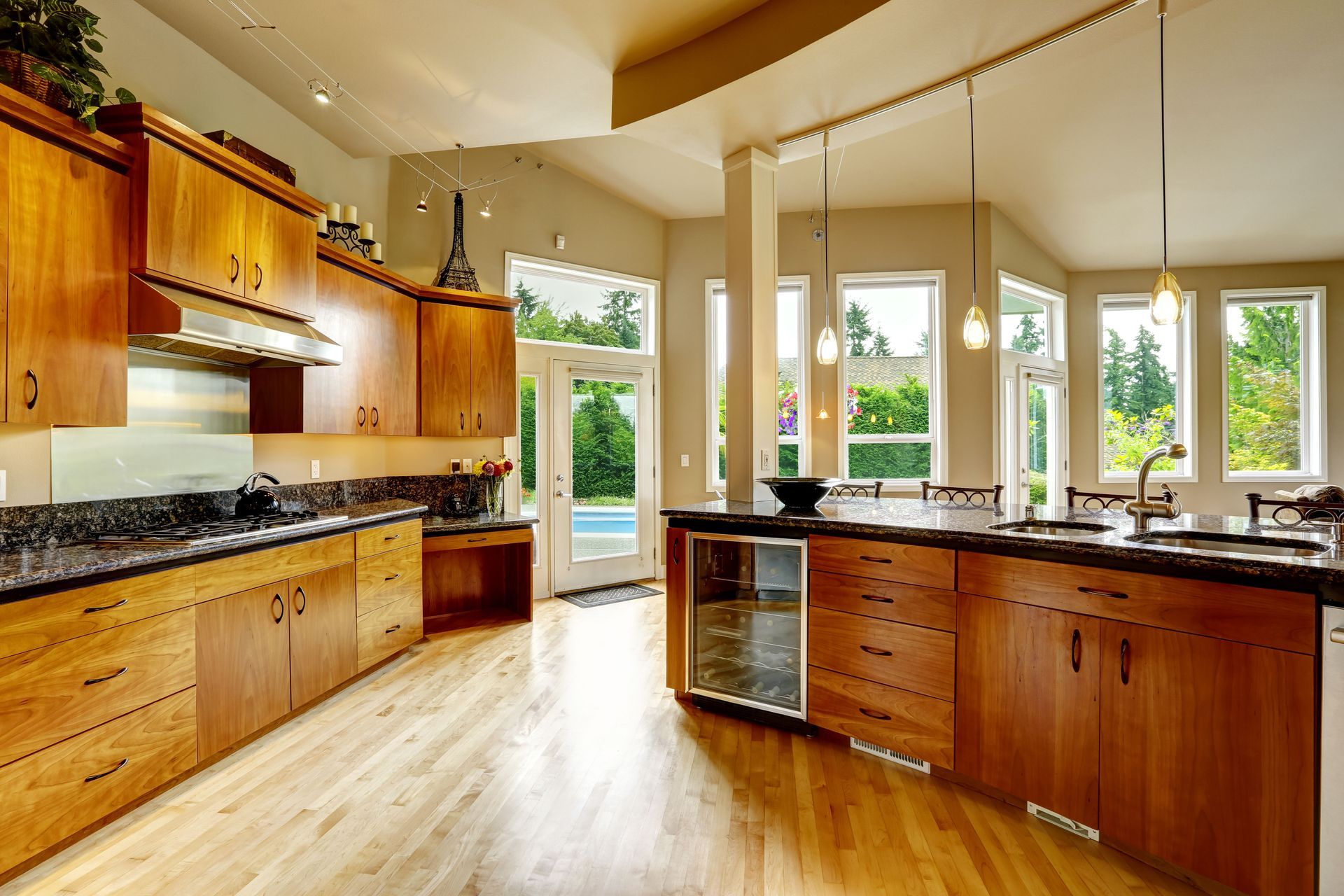
Storage is often one of the biggest priorities during a kitchen renovation. Many kitchens contain unused or difficult-to-access areas that could be utilized more effectively with proper planning. A kitchen cabinet designer can identify opportunities to improve storage throughout the room. Careful design can make use of corners, vertical space, and other areas that may otherwise be overlooked. Improved storage helps reduce clutter and creates a more organized environment. Items can be stored where they are needed, making daily tasks simpler and helping maintain a cleaner appearance. Professional planning also considers both current and future storage needs. This can help create a kitchen that remains functional for years to come.
Selecting Styles That Complement the Space
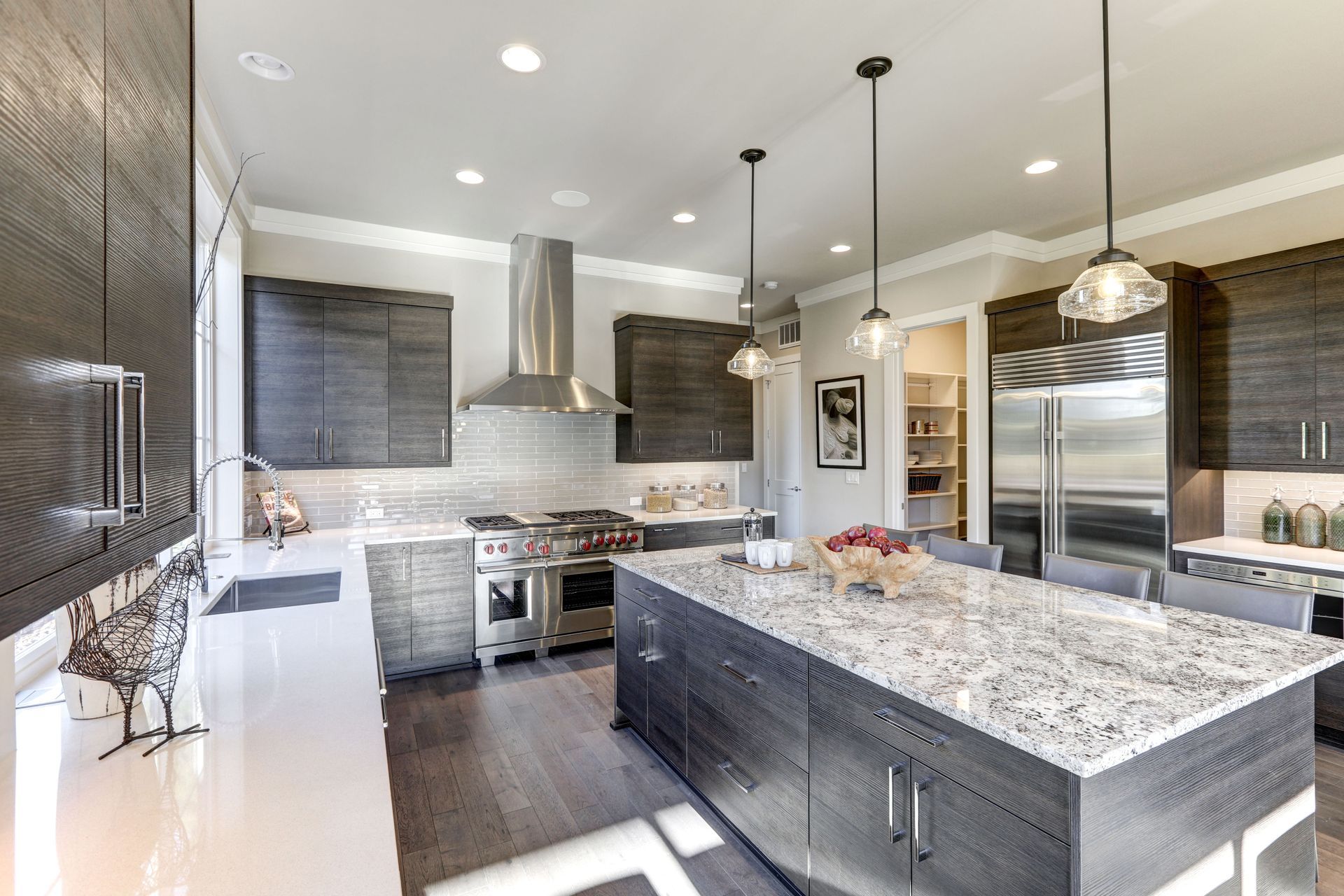
Cabinets have a significant impact on the overall appearance of a kitchen. Their color, finish, proportions, and design style contribute to the room's visual character. A kitchen cabinet designer helps coordinate cabinet choices with other elements of the kitchen. This includes considering flooring, countertops, lighting, and architectural features to create a cohesive look. Rather than selecting individual features separately, professional guidance allows design decisions to work together as a complete plan. This approach can help create a kitchen that feels balanced and visually appealing. Many homeowners have specific ideas about the style they want to achieve. A designer can help translate those ideas into practical design choices that fit the space and overall project goals.
Avoiding Costly Design Mistakes
Kitchen renovations involve many decisions, and small design errors can lead to expensive corrections later. Poor measurements, inefficient layouts, and overlooked details can affect both appearance and functionality. Working with a kitchen cabinet designer helps reduce the likelihood of these issues. Professional planning focuses on the details that influence how the kitchen will perform after the project is completed. Potential concerns can often be identified early in the design process. Addressing them before construction begins can help prevent delays and unexpected expenses. Careful planning also supports better communication among everyone involved in the renovation. Clear designs and specifications help keep the project moving in the right direction.
Incorporating Personalized Design Features
Every household uses the kitchen differently. Some people prioritize cooking and meal preparation, while others focus on entertaining or creating a gathering space for family and friends. A kitchen cabinet designer considers these unique needs when developing a design plan. Cabinet configurations can be tailored to support the way the space is used on a daily basis. According to 360 Research Reports, nearly 45% of homeowners in the United States completing a major kitchen remodel choose fully custom cabinets over stock or ready-to-assemble options. This trend reflects a growing interest in creating kitchens that align with individual preferences and lifestyle needs. Many people value solutions that offer greater flexibility in layout, storage, and overall design. Personalized design choices can contribute to a kitchen that feels more comfortable and practical while supporting long-term satisfaction with the finished space.
Improving Long-Term Value
Kitchen renovations are often viewed as long-term investments. A thoughtfully designed kitchen can contribute to the overall appeal and functionality of a home. Working with a kitchen cabinet designer can help create a design that remains attractive and useful over time. Rather than focusing only on short-term trends, professional planning often considers how the space will perform in the future. Good design balances appearance and practicality. A kitchen that functions well while maintaining a timeless look may continue to provide value for many years. Potential buyers also tend to appreciate kitchens that offer strong storage solutions, organized layouts, and cohesive design. These qualities can make a positive impression when a home is placed on the market.
Managing Complex Design Decisions
A kitchen renovation often involves dozens of decisions. Cabinet styles, storage options, finishes, dimensions, and layout considerations must all work together successfully. A kitchen cabinet designer helps guide these decisions in a structured way. Having professional support can make the process feel less overwhelming and more manageable. Design recommendations are based on the specific characteristics of the space and the goals of the project. This allows decisions to be made with a clearer understanding of how they may affect the final result. Professional guidance can also help keep the project focused and organized from the early planning stages through completion.
Working with a professional kitchen cabinet designer offers many advantages during a kitchen renovation. From improving functionality and maximizing storage to creating a cohesive appearance and avoiding common design challenges, professional planning can contribute to a more successful outcome. A well-designed kitchen supports daily activities, reflects personal preferences, and provides lasting value. If you are planning a kitchen renovation and want guidance from a qualified kitchen cabinet designer, contact Albin Hengesbach Carpentry & Custom Cabinets, Inc today to discuss your project and explore design options that fit your goals.